
Wisdom teeth, also known as third molars, are the last set of teeth to develop in the mouth. They typically emerge between the ages of 17 and 25, although some individuals may never develop them at all. In the past, wisdom teeth served a purpose for our ancestors who had larger jaws and needed the extra teeth to chew tough and coarse foods. However, as our diets have evolved and our jaws have become smaller over time, wisdom teeth have become less necessary.
The Role of Wisdom Teeth in Oral Health
While wisdom teeth may have served a purpose in the past, they can now cause a variety of oral health issues. One common problem is that there is often not enough space in the mouth for these additional teeth to properly emerge. This can lead to impacted wisdom teeth, where the teeth are unable to fully break through the gums. Impacted wisdom teeth can cause pain, swelling, and infection.
In addition to impacting adjacent teeth, wisdom teeth can also affect the gums. When wisdom teeth do not fully emerge, they can create pockets where bacteria can accumulate and cause infection. This can lead to gum disease and other oral health problems if left untreated.
Common Problems Associated with Wisdom Teeth in Adults
There are several common issues that can arise with wisdom teeth in adults. One common problem is overcrowding. When there is not enough space in the mouth for wisdom teeth to properly emerge, they can push against adjacent teeth and cause them to shift out of alignment. This can lead to crooked teeth and bite problems.
Another common issue is tooth decay. Wisdom teeth are located at the back of the mouth, making them difficult to clean properly. This can lead to a buildup of plaque and bacteria, increasing the risk of tooth decay and cavities.
Impacted Wisdom Teeth: Causes and Symptoms
Impacted wisdom teeth occur when there is not enough space in the mouth for the teeth to fully emerge. This can be caused by a variety of factors, including a small jaw, overcrowding, or the angle at which the teeth are growing.
Symptoms of impacted wisdom teeth can vary, but often include pain, swelling, and tenderness in the back of the mouth. Some individuals may also experience difficulty opening their mouth or chewing. In some cases, impacted wisdom teeth may not cause any symptoms at all and can only be detected through dental X-rays.
Risks of Delaying Wisdom Teeth Removal in Adults
Delaying wisdom teeth removal can lead to a variety of risks and complications. One of the main risks is infection. When wisdom teeth are impacted or partially erupted, they can create pockets where bacteria can accumulate and cause infection. This can lead to pain, swelling, and even abscesses.
Another risk is damage to adjacent teeth. When wisdom teeth do not have enough space to properly emerge, they can push against adjacent teeth and cause them to shift out of alignment. This can lead to crowding, bite problems, and even damage to the roots of neighboring teeth.
How Wisdom Teeth Removal is Performed in Adults

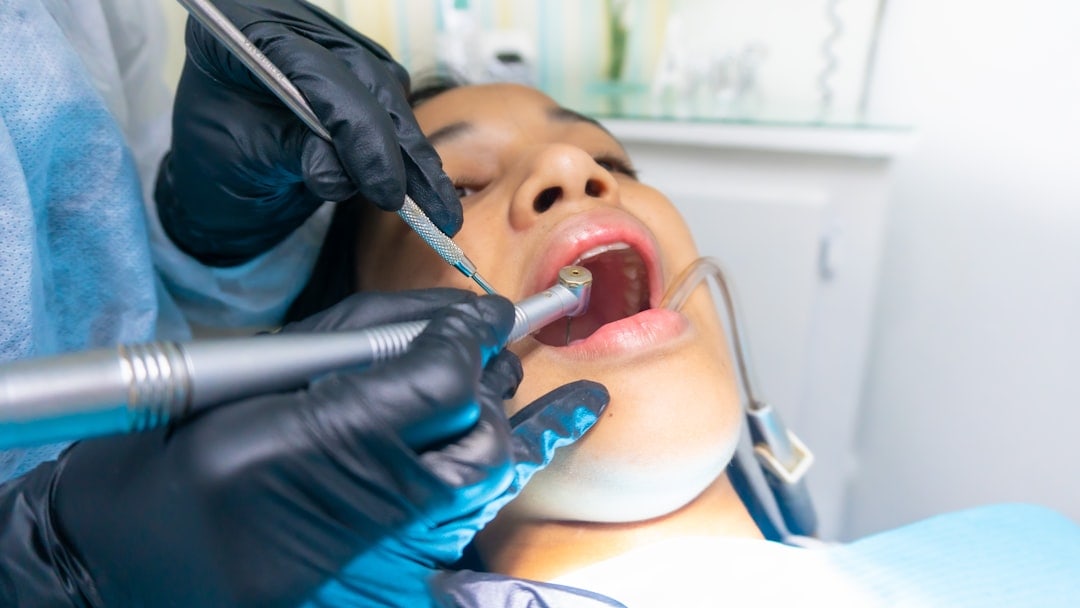
Wisdom teeth removal is a common dental procedure that is typically performed by an oral surgeon or a dentist with specialized training. The procedure can be done under local anesthesia, which numbs the area around the wisdom teeth, or under general anesthesia, which puts the patient to sleep.
During the procedure, an incision is made in the gum tissue to expose the wisdom tooth. The tooth may need to be divided into smaller pieces for easier removal. Once the tooth is removed, the area is cleaned and stitched up if necessary. The entire procedure usually takes about 45 minutes to an hour.
Recovery and Aftercare Following Wisdom Teeth Removal
Recovery following wisdom teeth removal can vary from person to person, but typically takes about a week. During this time, it is important to follow the aftercare instructions provided by your dentist or oral surgeon. This may include taking pain medication, applying ice packs to reduce swelling, and eating soft foods.
It is also important to keep the extraction site clean to prevent infection. This can be done by gently rinsing with warm saltwater several times a day. It is important to avoid using a straw or smoking during the recovery period, as these actions can dislodge the blood clot and delay healing.
Benefits of Wisdom Teeth Removal for Oral Health
There are several benefits of wisdom teeth removal for oral health. One of the main benefits is the prevention of future oral health issues. By removing wisdom teeth before they cause problems, individuals can avoid issues such as tooth decay, gum disease, and damage to adjacent teeth.
Another benefit is the improvement of overall oral health. Wisdom teeth can be difficult to clean properly due to their location at the back of the mouth. By removing these teeth, individuals can improve their ability to clean their teeth effectively and reduce the risk of plaque buildup and tooth decay.
Addressing Myths and Misconceptions About Wisdom Teeth Removal
There are several myths and misconceptions surrounding wisdom teeth removal that can cause individuals to delay or avoid the procedure altogether. One common myth is that if you are not experiencing any pain or symptoms, you do not need to have your wisdom teeth removed. However, many oral health issues associated with wisdom teeth do not cause pain or symptoms until they have progressed to a more advanced stage.
Another myth is that everyone needs to have their wisdom teeth removed. While it is true that not everyone will develop wisdom teeth or experience problems with them, it is important to consult with a dentist or oral surgeon to determine if removal is necessary for your specific situation.
Taking Control of Your Oral Health with Wisdom Teeth Removal
In conclusion, wisdom teeth can cause a variety of oral health issues if not properly managed. By understanding the purpose of wisdom teeth and the potential problems they can cause, individuals can take control of their oral health by considering wisdom teeth removal. It is important to consult with a dentist or oral surgeon to determine if removal is necessary and to follow the recommended aftercare instructions to promote healing and prevent complications. By taking proactive steps to address wisdom teeth issues, individuals can improve their overall oral health and prevent future problems.
FAQs
What are wisdom teeth?
Wisdom teeth are the third molars that usually emerge in the late teenage years or early twenties.
Why do some people need to have their wisdom teeth removed?
Some people need to have their wisdom teeth removed because they can cause problems such as overcrowding, infection, decay, and gum disease.
What are the symptoms of wisdom teeth problems?
Symptoms of wisdom teeth problems include pain, swelling, redness, bad breath, difficulty opening the mouth, and difficulty chewing.
How is wisdom teeth removal done?
Wisdom teeth removal is usually done under local anesthesia or sedation. The dentist or oral surgeon will make an incision in the gum tissue and remove the tooth or teeth.
Is wisdom teeth removal painful?
Wisdom teeth removal can be uncomfortable, but it is usually not painful. Pain medication and ice packs can help manage any discomfort.
What are the risks of wisdom teeth removal?
The risks of wisdom teeth removal include bleeding, infection, nerve damage, and dry socket. However, these risks are rare and can be minimized with proper care and follow-up.
How long does it take to recover from wisdom teeth removal?
Recovery from wisdom teeth removal usually takes about a week. Patients should rest, avoid strenuous activity, and follow their dentist’s instructions for care and pain management.