
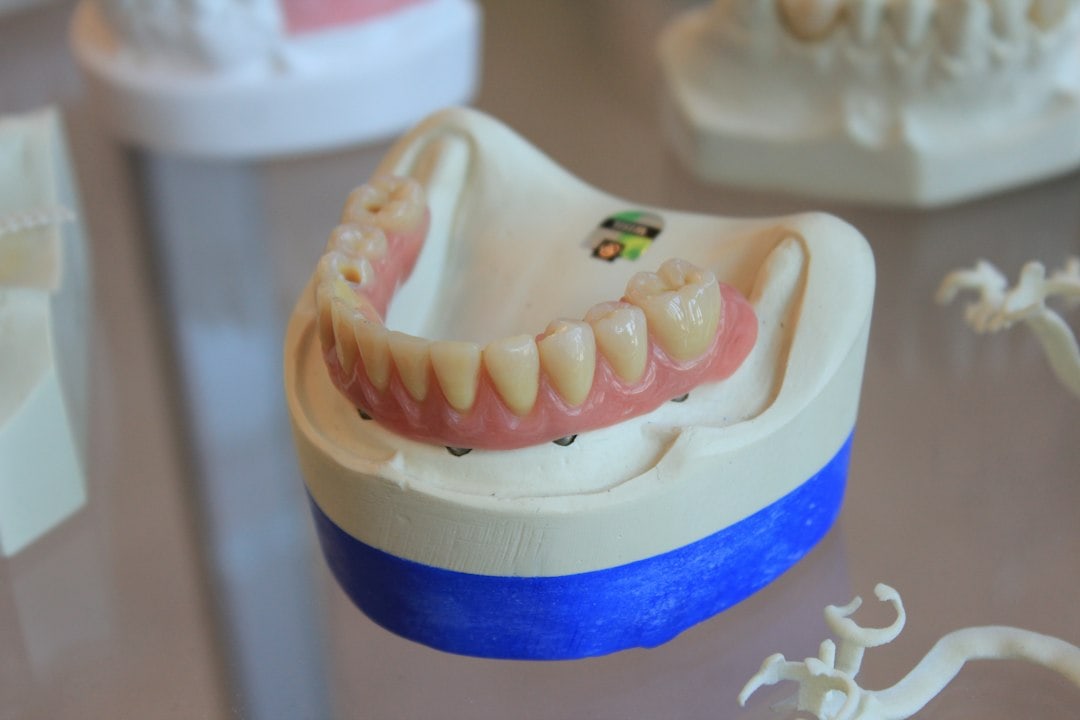
Mercury-free dentistry is a practice that focuses on using dental materials that do not contain mercury. Mercury is a toxic substance that has been used in dental fillings for many years. However, there is growing concern about the potential health risks associated with mercury fillings, as well as the impact on the environment. Choosing a mercury-free dentist is important to ensure that you receive safe and effective dental care.
Key Takeaways
- Mercury fillings pose risks to your health and should be avoided.
- Safe alternatives to mercury fillings include composite resin, ceramic, and glass ionomer fillings.
- Composite resin fillings offer benefits such as natural-looking appearance but may have drawbacks such as being less durable.
- Ceramic fillings provide a natural-looking solution but may be more expensive.
- Glass ionomer fillings are a durable and affordable option for those seeking mercury-free dentistry.
The Risks of Mercury Fillings: Understanding the Dangers
Mercury fillings, also known as amalgam fillings, are made up of a mixture of metals including mercury, silver, tin, and copper. While the American Dental Association (ADA) and the Food and Drug Administration (FDA) have deemed mercury fillings safe for use in dental procedures, there is evidence to suggest otherwise.
One of the main concerns with mercury fillings is the potential health risks they pose. Mercury is a neurotoxin that can have harmful effects on the nervous system, particularly in developing fetuses and young children. It has been linked to neurological disorders, kidney problems, and autoimmune diseases.
In addition to the health risks, mercury fillings can also have a negative impact on the environment. When removed from the mouth, mercury fillings can contaminate water sources and contribute to pollution. This can have detrimental effects on aquatic life and ecosystems.
Safe Alternatives to Mercury Fillings: What Are Your Options?
Fortunately, there are safe alternatives to mercury fillings that can be used in dental procedures. These alternatives are made from materials that do not contain mercury and are considered to be biocompatible with the body.
One popular alternative to mercury fillings is composite resin fillings. These fillings are made from a mixture of plastic and glass materials and can be matched to the color of your natural teeth. They are durable and can withstand the forces of chewing, making them a suitable option for most patients.
Another safe alternative is ceramic fillings, also known as porcelain fillings. These fillings are made from a ceramic material that closely resembles the appearance of natural teeth. They are highly biocompatible and do not contain any toxic substances. Ceramic fillings are also resistant to staining and can last for many years with proper care.
Glass ionomer fillings are another option for those looking for a safe alternative to mercury fillings. These fillings are made from a mixture of glass and acrylic materials and are known for their durability. They are often used in areas of the mouth that are prone to decay, such as the back molars.
Composite Resin Fillings: Benefits and Drawbacks
Composite resin fillings offer several benefits over mercury fillings. One of the main advantages is their aesthetic appeal. Composite resin fillings can be matched to the color of your natural teeth, making them virtually invisible. This makes them a popular choice for those who want a more natural-looking smile.
Another benefit of composite resin fillings is their versatility. They can be used to repair small to moderate-sized cavities, as well as to restore chipped or broken teeth. The material bonds directly to the tooth structure, providing added support and strength.
However, there are some drawbacks to composite resin fillings. They are not as durable as other materials and may need to be replaced more frequently. They can also be more expensive than other options, especially if multiple fillings are needed.
Ceramic Fillings: A Natural-Looking Solution
Ceramic fillings offer several benefits for those looking for a natural-looking solution. One of the main advantages is their aesthetic appeal. Ceramic fillings closely resemble the appearance of natural teeth and can be matched to the color of your existing teeth. This makes them virtually indistinguishable from your natural teeth, resulting in a seamless smile.
In addition to their aesthetic appeal, ceramic fillings are highly biocompatible and do not contain any toxic substances. They are resistant to staining and can last for many years with proper care. Ceramic fillings are also known for their durability and can withstand the forces of chewing.
However, there are some drawbacks to ceramic fillings. They can be more expensive than other options, especially if multiple fillings are needed. They may also require more time to place, as the material needs to be custom-made in a dental laboratory.
Glass Ionomer Fillings: A Durable and Affordable Option

Glass ionomer fillings offer several benefits for those looking for a durable and affordable option. One of the main advantages is their durability. Glass ionomer fillings are known for their strength and can withstand the forces of chewing. They are often used in areas of the mouth that are prone to decay, such as the back molars.
Another benefit of glass ionomer fillings is their affordability. They are typically less expensive than other options, making them a suitable choice for those on a budget. Glass ionomer fillings can also be placed quickly and easily, reducing the amount of time spent in the dental chair.
However, there are some drawbacks to glass ionomer fillings. They are not as aesthetically pleasing as other options and may not be suitable for visible areas of the mouth. They may also need to be replaced more frequently than other materials.
Amalgam Removal: How to Safely Remove Mercury Fillings
If you have existing mercury fillings and are concerned about their potential health risks, you may consider having them removed. The process of removing mercury fillings is known as amalgam removal.
Amalgam removal should only be performed by a qualified dentist who has experience in this procedure. It is important to choose a dentist who follows strict safety protocols to minimize the risk of mercury exposure during the removal process.
During amalgam removal, the dentist will take precautions to protect you from mercury vapor and particles. This may include the use of a rubber dam to isolate the tooth being treated, as well as the use of a high-volume suction device to remove any mercury vapor that may be released.
After the mercury fillings have been removed, the dentist will replace them with a safe alternative, such as composite resin or ceramic fillings. This will restore the appearance and function of your teeth while eliminating the potential health risks associated with mercury fillings.
The Importance of Choosing a Mercury-Free Dentist in Edmonton, AB
Choosing a mercury-free dentist in Edmonton, AB is important to ensure that you receive safe and effective dental care. A mercury-free dentist is trained in the use of safe alternatives to mercury fillings and follows strict safety protocols during amalgam removal.
A mercury-free dentist will also be knowledgeable about the potential health risks associated with mercury fillings and can provide you with information and guidance on making informed decisions about your dental care.
In addition to their expertise in mercury-free dentistry, a mercury-free dentist in Edmonton, AB will also offer a range of other dental services to meet your oral health needs. This may include preventive care, restorative dentistry, cosmetic dentistry, and more.
Mercury-Free Dentistry and Your Health: What the Research Says
Research on mercury-free dentistry and its impact on health is still ongoing. However, there is evidence to suggest that choosing mercury-free dentistry can have several benefits for your overall health.
One study published in the Journal of Oral Rehabilitation found that patients who had their mercury fillings replaced with composite resin fillings experienced improvements in their overall health. These improvements included a reduction in symptoms such as fatigue, headaches, and muscle pain.
Another study published in the Journal of Dental Research found that children with mercury fillings had higher levels of mercury in their urine compared to children without mercury fillings. This suggests that mercury fillings can contribute to mercury exposure and may have negative effects on health.
While more research is needed to fully understand the impact of mercury fillings on health, choosing mercury-free dentistry can provide peace of mind and may help to reduce the potential risks associated with mercury exposure.
Making the Switch to Mercury-Free Dentistry: What to Expect
If you are considering making the switch to mercury-free dentistry, there are a few things you can expect. First, you will need to find a qualified mercury-free dentist who can provide you with the dental care you need. This may involve some research and asking for recommendations from friends, family, or healthcare professionals.
Once you have found a mercury-free dentist, you will undergo a thorough examination of your oral health. This may include X-rays, dental impressions, and a discussion of your dental history and concerns. The dentist will then develop a treatment plan tailored to your specific needs and goals.
During the treatment process, the dentist will use safe alternatives to mercury fillings, such as composite resin or ceramic fillings. These materials will be carefully placed in your teeth to restore their appearance and function. The dentist will also provide you with information on how to care for your new fillings and maintain good oral hygiene.
Making the switch to mercury-free dentistry can have several benefits for your oral health and overall well-being. By choosing safe alternatives to mercury fillings, you can reduce the potential health risks associated with mercury exposure and enjoy a more natural-looking smile.
If you’re interested in learning more about mercury-free dentistry and safe alternatives for dental fillings, check out this informative article from Summit Dental in Edmonton, AB. They provide a comprehensive explanation of the benefits of mercury-free dentistry and offer insights into the different options available for dental fillings. To read the article, click here: Mercury-Free Dentistry Explained: Safe Alternatives for Dental Fillings In Edmonton, AB.
FAQs
What is mercury-free dentistry?
Mercury-free dentistry is a type of dental practice that avoids the use of dental fillings that contain mercury. Instead, it uses safe and biocompatible materials for dental restorations.
Why is mercury harmful in dental fillings?
Mercury is a toxic substance that can cause harm to the human body. When used in dental fillings, it can release vapors that can be inhaled and absorbed by the body, leading to health problems.
What are the safe alternatives for dental fillings?
There are several safe alternatives for dental fillings, including composite resin, porcelain, and glass ionomer. These materials are biocompatible and do not contain harmful substances like mercury.
Are mercury-free dental fillings as durable as traditional fillings?
Yes, mercury-free dental fillings are as durable as traditional fillings. In fact, some studies have shown that composite resin fillings can last longer than amalgam fillings.
Is mercury-free dentistry more expensive than traditional dentistry?
Mercury-free dentistry may be slightly more expensive than traditional dentistry because the materials used for dental restorations are more expensive. However, the cost difference is usually minimal and is outweighed by the health benefits of avoiding mercury.
Where can I find mercury-free dentistry in Edmonton, AB?
There are several dental clinics in Edmonton, AB that offer mercury-free dentistry. You can search online or ask for recommendations from friends and family.